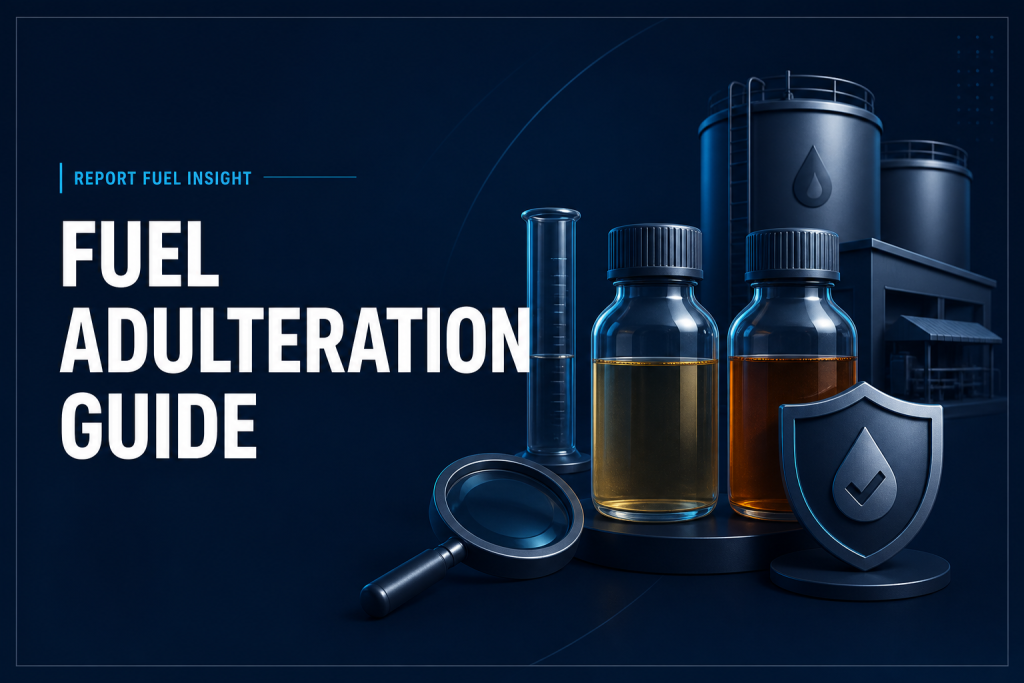
Fuel Adulteration in South Africa: The Complete Guide
Understand fuel adulteration in South Africa, its warning signs, risks and the steps consumers, fleets and petroleum businesses should take.
REPORT FUEL KNOWLEDGE CENTRE
Practical, evidence-based guidance and compliance insight for protecting South Africa’s petroleum supply chain.
Understand fuel adulteration in South Africa, its warning signs, risks and the steps consumers, fleets and petroleum businesses should take.
Practical safety guidance for anonymous fuel reporting, secure follow-up, evidence handling and avoiding accidental identification.
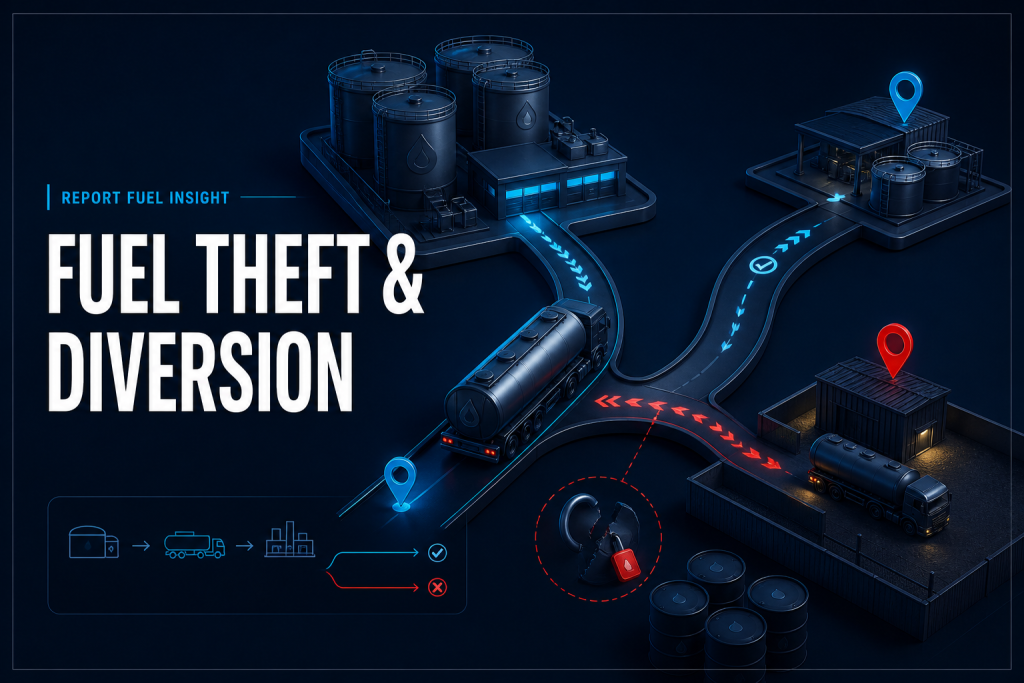
Detect fuel theft and diversion using route, seal, volume, access, telematics and transaction controls across the supply chain.
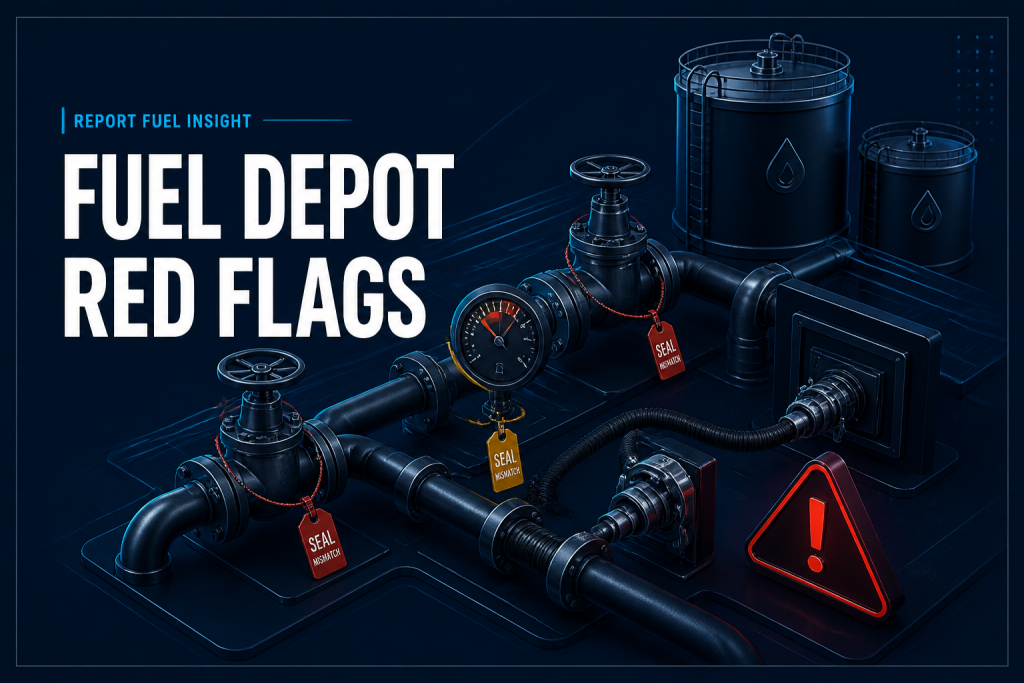
Identify fuel depot red flags across storage, loading, documents, vehicles, pricing and physical security without jumping to conclusions.
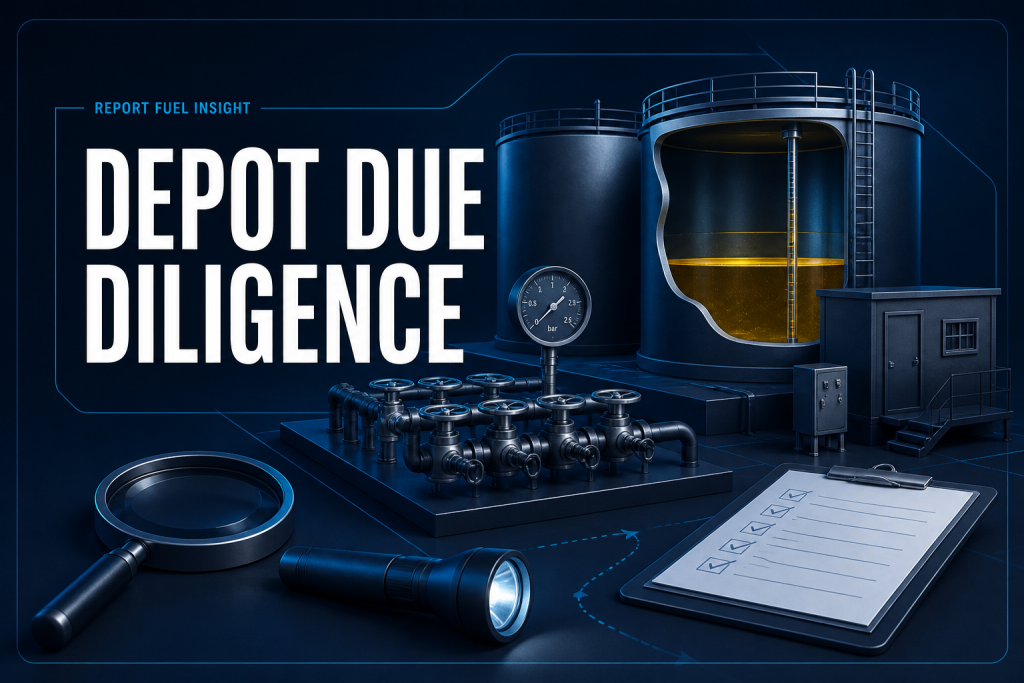
A 25-point due diligence framework for fuel depots covering licensing, storage, product custody, safety, records and incident response.
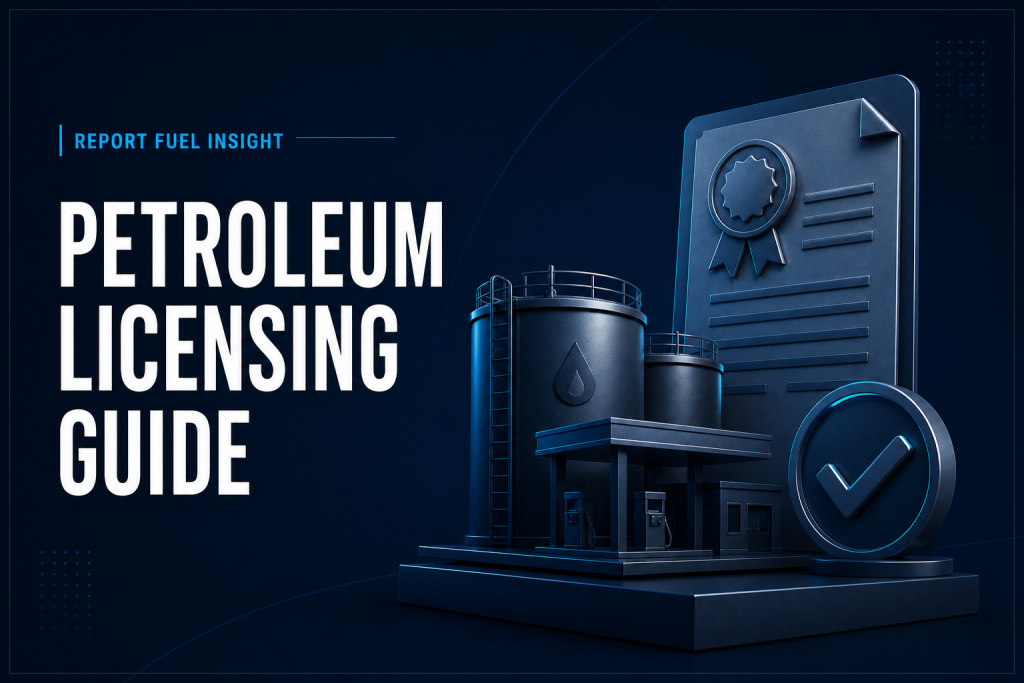
Understand South Africa’s petroleum manufacturing, wholesale, site and retail licensing framework and common compliance risks.
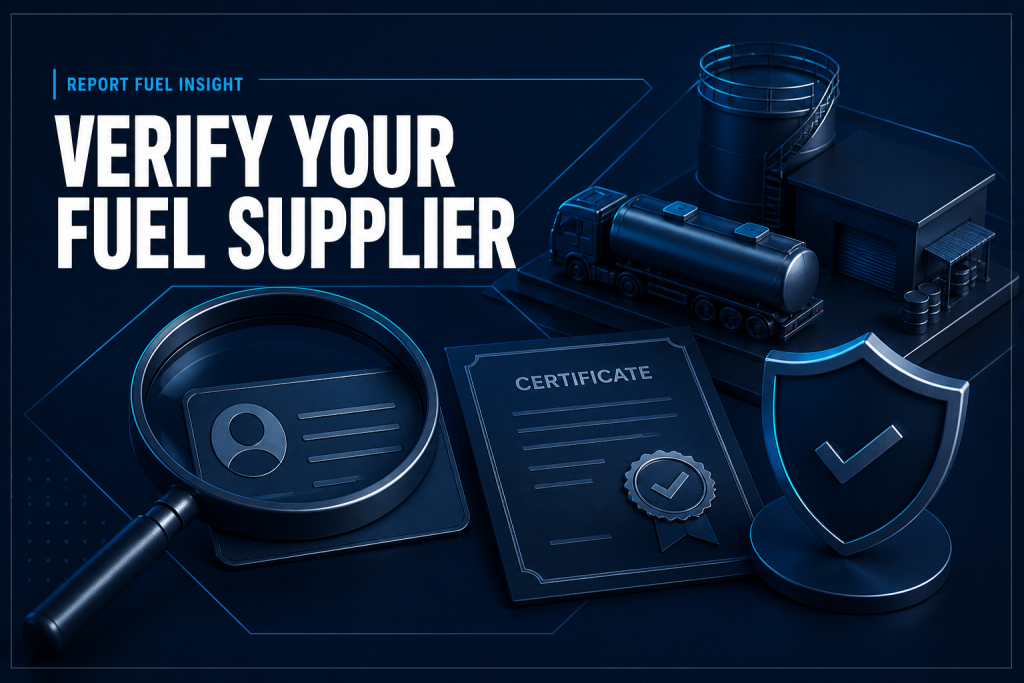
Use this petroleum supplier verification checklist to confirm identity, licensing, source, quality controls and delivery integrity.
Recognise red flags for illicit fuel trading in South Africa and strengthen licensing, source, pricing and delivery controls.
Preserve fuel samples, records, photographs and digital evidence with a clear chain of custody for investigations and disputes.
A practical guide to reporting suspected bad fuel in South Africa while protecting evidence, confidentiality and procedural fairness.
Learn the warning signs of diesel and paraffin adulteration, how testing works and how to preserve a defensible fuel sample.
SPEAK UP SECURELY